
M.Ed., ID&T (ISU) Portfolio
PROJECT-BASED LEARNING







All images are links to content.
Artifact 1: EDLT 6611 Instructional Design Plan
Description: This was the fourth course I took in the program, and it was also taught by Dr. Huang. The course was built upon the system and process by which instructional designers create, curate, arrange, and deliver content to instructors and their students. We went through needs analyses, learner analyses, the processes of creating goals and objectives (which are distinct), and more.
This plan (and its presentation) was the capstone of the course. We went through the process of developing our own course according to the specifications and requirements of our audience. We also went through the First Principles and Elaboration theories of instructional design. I chose to build my instruction on the Elaboration model.
Reflection: The majority of the 6611 course was not project-based, but this assignment was the perfect project through which I could learn the course content. It also taught me how to provide objectives and guidelines for my own project-based learning experiences in future courses. I used this course as inspiration for my Information Literacy course for 6646 (2).

Artifact 2: EDLT 6614 “Legislature” Game
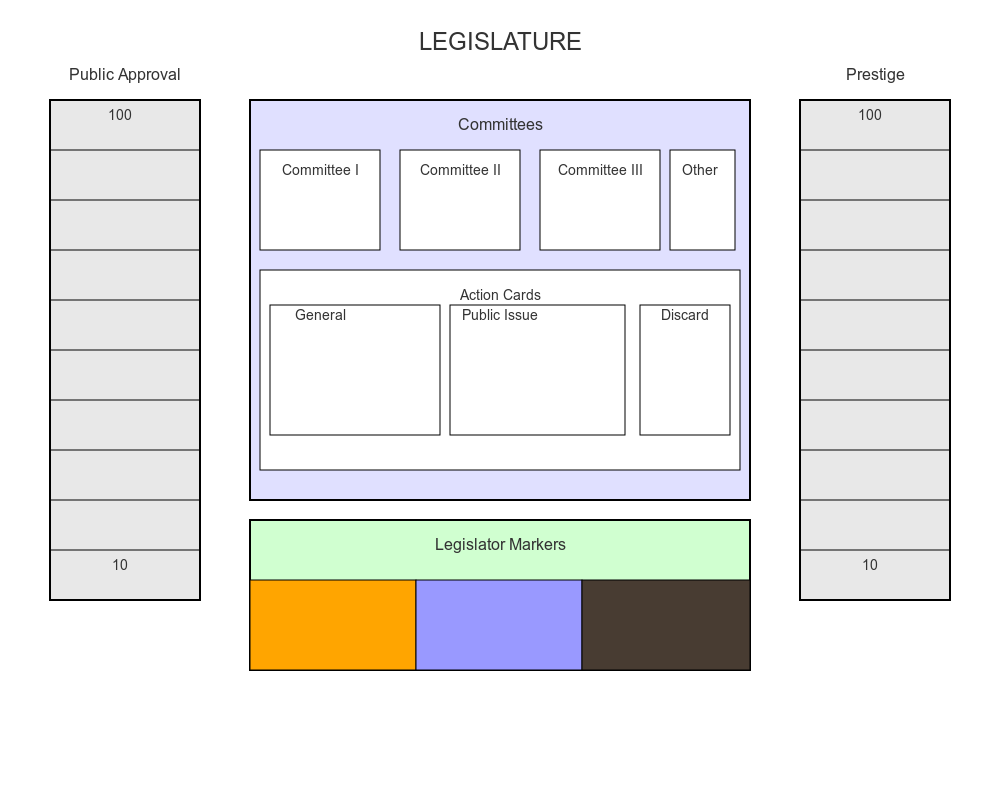
Description: This game was originally intended as a tribute to the Frasier reboot/continuation, but it grew into “what if I could actually make a game that represents how the legislature works?” I also added in specifications of the EDLT 6614 course. I connected the game to specific learning objectives and essentially built a Civics course into the game. The resulting manual is 26 pages long.
I argue that games are part of technology, but also part of instructional design. The technology aspect would be the physical game itself, and the instructional design is the experience- and project-based learning the occurs as the participants think through issues and policy decisions much like legislators would. As this was a project-based learning assignment, I am also including it in my project-based learning section.
Reflection: This course combined lessons from 6611 related to project-based learning and 6612, about objectives and assessments. I used the objectives to guide how the game was created, and I created the outcomes of the game to be more or less contingent on learning the objectives. Thus, success (or at least participation) in the game resulted in demonstrating mastery of the objectives. It might have turned too complicated, but I think the foundational game was sound.
Artifact 3: EDLT 6680 (1) Experiment Lab Reports
Description: The attached video is the finished experiment lab report in my first EDLT 6680 course (incidentally, both of them were taught by Dr. David Wiley). In this course, I learned to create a business related to education that fulfilled the actual needs of my “audience,” or customers. Essentially, I was applying the “Needs Analysis” part of instructional design through a set of experiments and prototypes. I learned from this how to provide the most-needed and beneficial resources and materials. Since most of my side work is done through collaboration, I do not have as much control over what I actually create. However, I have designed a total of five courses (two for the Online Learning Consortium), and this course helped me to create the best offerings.
Reflection: This whole course, which was the second that I attended, was built around project-based learning. Dr. Wiley taught me how to keep students’ attention and how to get them invested in courses material: show them how it connects to their personal lives. Dr. Wiley showed me how to encourage brief, yet significant, reporting by students. I incorporated aspects of that process later in my NATO chatbot project workflow.
Artifact 4: Tactical Training Tools (AECT-NATO)
Description: Cathy Marriott and I submitted an ill-fated proposal to the AECT NATO Design and Development Competition for the AECT 2024 International Convention. I believe that its Achilles’ heel was that I focused on the APA style of citation, and neither Cathy nor I realized that we actually had to format the text a certain way. In any case, we made it past the first round with a 60-70 percent approval rate. However, we failed round 2. The dismissal email explicitly noted that the reviewers and organizers appreciated our ideas and our applications, so we must have done something right.
The gist of the tool is:
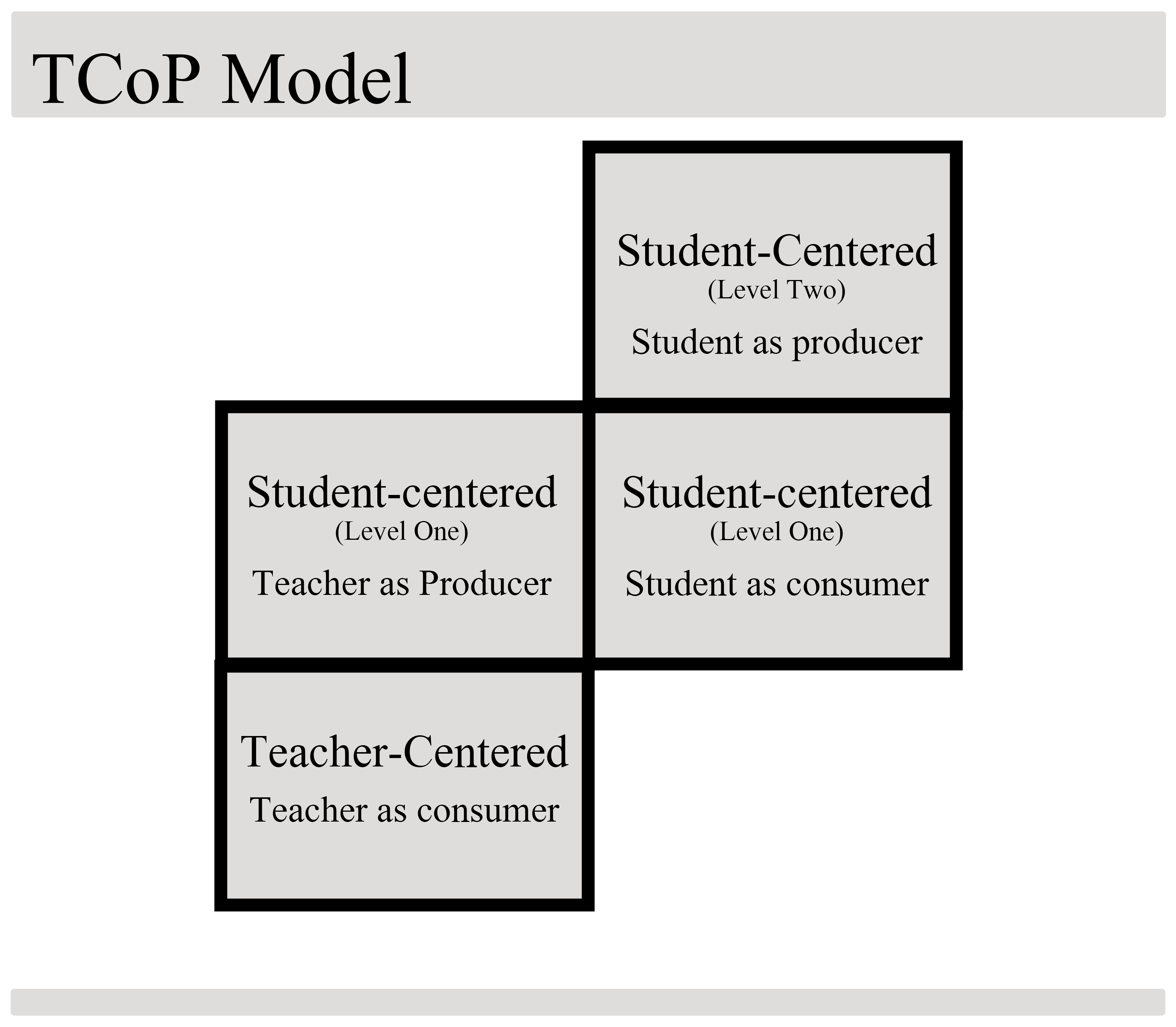
1. Trainers use the TCoP model to familiarize themselves and their trainees with the tools
2. Trainees use the Project-Based Learning Model to learn skills and topics they must know to carry out operations.
3. Both the tools and the trainees will become increasingly proficient at their skills.
4. trainee will be responsible for carrying out their responsibilities
5. tool facilitates recall and development of new knowledge, not carrying out responsibilities
The tools in question are modeled by Custom GPTs that have been provided with relevant documents and detailed system prompts, or instructions, to facilitate learning experiences. If a trainee attempts to use a tool to carry out a task, the tool redirects the trainee through the project-based learning steps.
Reflection: The learning undergone by NATO personnel in trainings is demonstrated through participation in projects or experiences with five chatbots. The chatbots were designed as inspired by 6646 (2), AI 4 ID, 6611, and best practices as communicated in professional forums of various types. Summaries and reports, as well as collaboration, which capped each chatbot project, were inspired by my first 6680 course (Entrepreneurship in Education).

Artifact 5: LOC Shelflisting Game
Description: This artifact was actually built two days before my Master’s presentation, and it fits PJBL so here it is. It was created out of a dire need to be able to educate library workers on the Library of Congress Classification System without having to use outdated software with ridiculously high-priced licenses. I took the basic goals of trainings on LOC shelflisting and put them into a basic drag-and-drop game. I created it with the help of ChatGPT o3.
A fully playable iteration of the game is available to the right.
Reflection: There were two hard parts (one of which is not technically finished yet). The first was finding a source that could concisely communicate the basics of shelving/shelflisting. The NYLS resource, while concise and accurate, did not go enough into WHY that order exists, so I ended up supplementing that with the book chapter I wrote on the subject.
The other problem was solving all of the bugs that keep popping up. The most glaring is that sometimes, individual books disappear when they are overlapping.
LOC Shelflisting Game
Select a level to practice ordering Library of Congress call numbers following the rules at NYLS Shelving Rules.and "Shelving, Shelflisting, and Work and Author Orders"